
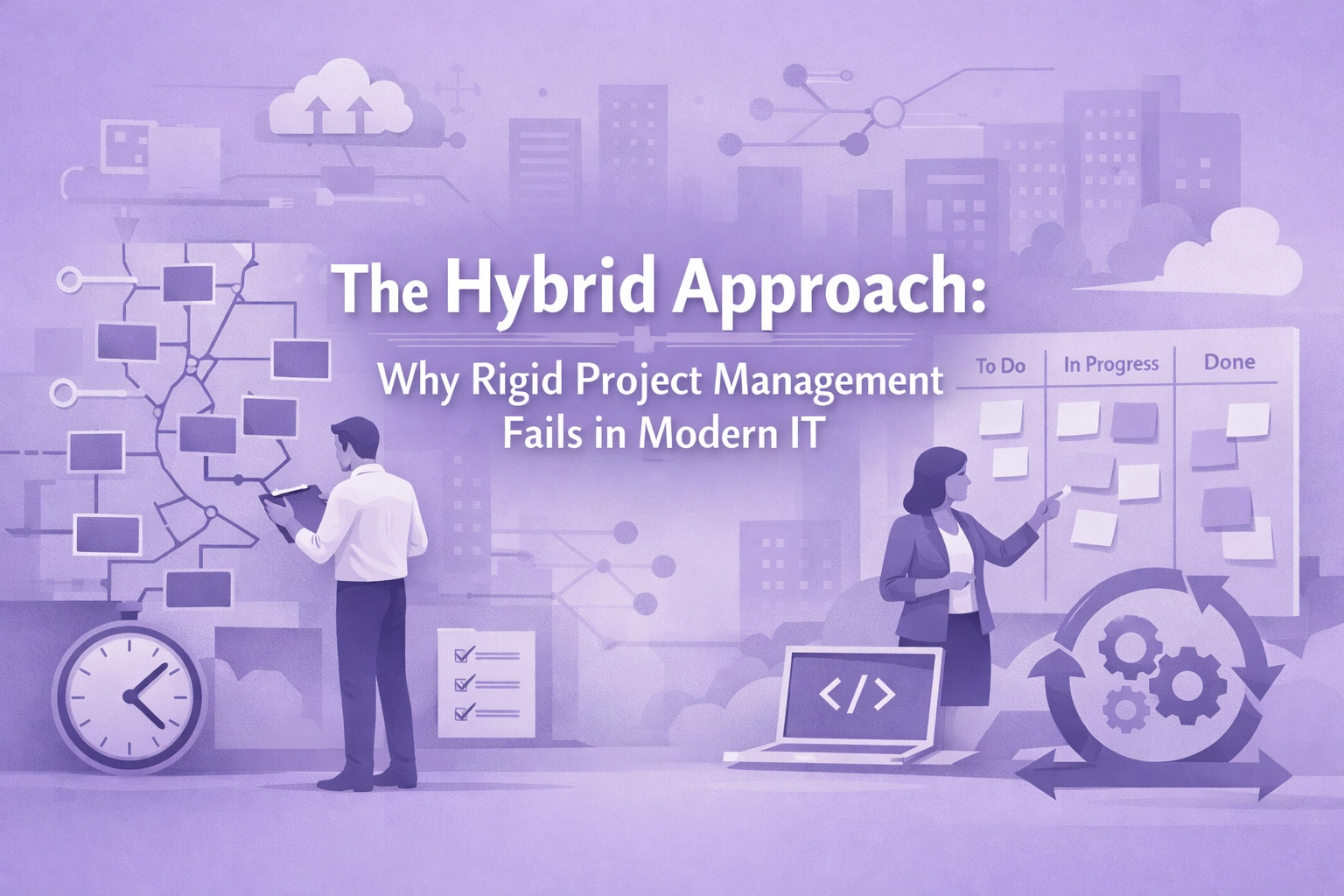
The Hybrid Approach: Why Rigid Project Management Fails in Modern IT
![[FEATURED IMAGE] The Hybrid Approach: Why Rigid Project Management Fails in Modern IT](https://cdn.marblism.com/Kzw2Eg9IkUw.webp)
I’ll be honest with you: I’ve seen more IT projects crash and burn because of rigid thinking than because of technical problems. You know the type: the project manager who swears by “the process,” refuses to deviate from the plan, and treats the project timeline like it’s carved in stone. Spoiler alert: that approach doesn’t work anymore.
Modern IT is messy, unpredictable, and constantly evolving. Your users change their minds. New technologies emerge mid-project. Stakeholders suddenly realize what they actually need three sprints in. If you’re clinging to a single methodology like it’s a life raft, you’re going to sink.
That’s where the hybrid approach comes in: and it’s not just a buzzword. It’s the difference between delivering results and delivering excuses.
Why One-Size-Fits-All Methodologies Are Setting You Up for Failure
Let me paint you a picture. You’re managing a large-scale enterprise system implementation. The C-suite wants structure, predictability, and clear milestones. Meanwhile, your development team needs flexibility to pivot when they discover a better technical solution. Your compliance officer needs documentation. Your users need to see working features now.
Can pure Waterfall handle that? Nope. It’s too rigid. By the time you finish your six-month planning phase, the business requirements have already changed.
Can pure Agile handle that? Also nope. You’ll deliver working software fast, but without the governance structure and long-term planning that enterprise environments demand.

Here’s the thing: rigid project management approaches fail because they can’t accommodate the dual demands of complex IT projects. You need upfront structure and adaptability. You need control and flexibility. You need a plan and the ability to throw that plan out the window when reality hits.
Traditional Waterfall gives you clear planning and predictability, but it lacks the agility to respond when (not if) things change. Pure Agile offers adaptability, but it can sacrifice the structure and accountability necessary for projects with formal governance requirements, regulatory compliance, or fixed budgets.
In my little world of IT project management, I’ve learned that the most successful projects don’t follow a single playbook: they blend the best of both worlds.
The Hybrid Solution: Structure Meets Flexibility
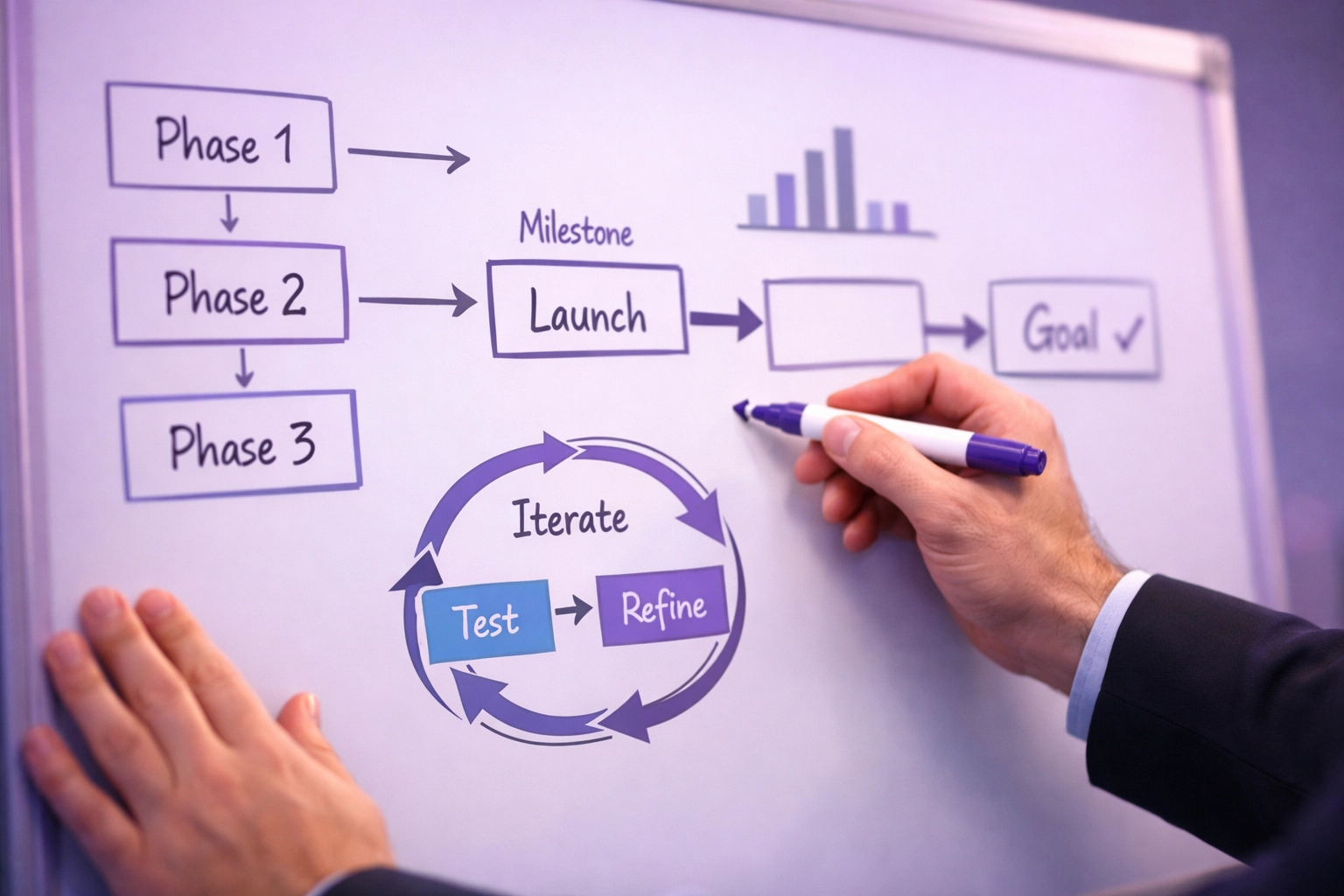
So what does a hybrid approach actually look like? It’s not just slapping Agile and Waterfall together and hoping for the best. It’s about strategically combining structured planning with iterative development to create a framework that’s both disciplined and adaptable.
Here’s how it works in practice:
Phase 1: Structure First
Start with Waterfall-style planning. Define your scope, identify your stakeholders, map your dependencies, and create a realistic timeline. Get buy-in from leadership. Secure your budget. Document your requirements. This gives you the governance framework and accountability that enterprise IT demands.
Phase 2: Execute with Agility
Once you have your foundation, shift into Agile execution. Break the work into sprints. Deliver working features incrementally. Hold daily stand-ups. Adapt to feedback. This gives you the flexibility to respond to changing requirements and deliver value faster.
Phase 3: Integrate Continuously
Throughout the project, maintain your Waterfall checkpoints: milestone reviews, formal approvals, risk assessments: while continuing your Agile iterations. This keeps everyone aligned while allowing your team to move fast.

This isn’t wishy-washy or indecisive. It’s strategic. You’re using the right tool for the right job at the right time.
The Numbers Don’t Lie: Why Hybrid Works
Let me share some data that might surprise you. According to PMI’s 2024 Pulse of the Profession report, hybrid management frameworks are rapidly gaining ground as organizations recognize their fit-for-purpose value. And for good reason.
Companies implementing hybrid methodologies report up to 27% higher project success rates compared to organizations using single methodologies. That’s not a small improvement: that’s the difference between delivering on time and delivering late (or not at all).
Here’s what hybrid approaches deliver:
1. Accelerated Delivery Without Sacrificing Control
Hybrid methodologies integrate Agile’s iterative development cycles while maintaining stringent control over project scope and quality. You get faster time-to-market and the governance your organization needs. It’s not an either-or situation anymore.
2. Proactive Risk Management
Rigid methodologies often fail to adapt when unforeseen issues arise, leading to cost overruns and delays. I’ve watched projects double their budgets because the team couldn’t pivot when problems emerged. Hybrid approaches create a framework for continuous risk monitoring and management throughout the project lifecycle. You catch problems early when they’re still manageable.

3. Dynamic Resource Optimization
Traditional frameworks define and allocate resources upfront, but we all know that’s not how real projects work. Hybrid methods integrate flexibility for reallocation as project needs evolve. This prevents backlog delays, reduces resource conflicts, and helps you stay within budget.
4. Accountability with Agility
This is where hybrid really shines. You assign clear roles and responsibilities (thank you, Waterfall), while allowing real-time stakeholder collaboration and on-the-fly changes (thank you, Agile). The result? Less confusion, better communication, and teams that actually know what they’re supposed to be doing.
How We Practice Hybrid at Lurdez Consulting Group
At Lurdez Consulting Group, we don’t just talk about hybrid methodologies: we live them. Every project we manage starts with a simple question: What does this specific project need to succeed?
Sometimes that means more structure. Sometimes it means more flexibility. Most of the time, it means both.
We work with our clients to design a project framework that makes sense for their organization, their culture, and their goals. We’re not dogmatic about process: we’re pragmatic about results.

Here’s what that looks like in action:
- Tailored Planning: We start every engagement by understanding your governance requirements, compliance needs, and stakeholder expectations. Then we build a project structure that satisfies those requirements while leaving room for adaptation.
- Iterative Delivery: We break large projects into manageable chunks and deliver working solutions incrementally. Your team sees progress. Your users get value faster. Your leadership gets the visibility they need.
- Continuous Communication: We don’t wait for formal status meetings to surface problems. We create feedback loops that keep everyone informed and aligned throughout the project lifecycle.
- Risk Intelligence: We monitor risks continuously and adjust our approach when the landscape changes. We’re not attached to “the plan”: we’re committed to success.
This approach has helped our clients navigate complex IT transformations, system implementations, and organizational changes. We’ve seen it work in healthcare, finance, manufacturing, and government. The industries change, but the principle stays the same: rigidity fails, adaptability wins.
Moving Beyond Rigid Thinking
Here’s the bottom line: Modern IT projects are too complex, too fast-moving, and too unpredictable for rigid, one-size-fits-all approaches. You need a methodology that’s as adaptable as the technology landscape itself.
The hybrid approach isn’t about abandoning structure: it’s about applying structure intelligently. It’s about recognizing that the best project management isn’t rigid or loose; it’s responsive.
If you’re still trying to force your projects into a single methodology, you’re fighting an uphill battle. The market is moving too fast. Technology is evolving too quickly. Your users are too demanding. And your competition? They’re probably already using hybrid approaches to deliver faster and better than you.
The good news? You don’t have to figure this out alone.
Ready to Transform Your IT Projects?
If you’re tired of rigid methodologies that set your projects up for failure, let’s talk. At Lurdez Consulting Group, we specialize in helping organizations implement hybrid project management frameworks that actually work in the real world.
We’ll assess your current approach, identify your pain points, and design a tailored methodology that balances structure with flexibility. Whether you’re managing a single complex project or transforming your entire PMO, we’ll give you the tools, frameworks, and expertise you need to succeed.
Don’t let rigid thinking hold your IT projects back. Contact us today and discover how the hybrid approach can transform your project outcomes.
SEO Cheat Sheet (Copy & Paste This!)
Focus Keyword: hybrid project management
SEO Title: Hybrid Project Management: Why Rigid Methods Fail
Meta Description: See why hybrid project management outperforms rigid approaches in modern IT. Get 27% better results with LCG\'s proven methodology.
Instructions:
- Paste the Focus Keyword in Yoast’s “Focus keyphrase” field
- Paste the SEO Title in the title field (delete any bubbles first!)
- Paste the Meta Description in the description field
- Set Featured Image using the hero image at the top
- Assign to Blog category
- Hit Update!