PROJECT PULSE: The Augmented PM – Evolving Relational Excellence with AI (Vol. 8)
Welcome back to PROJECT PULSE, where we explore what it really means to be an IT Project Manager in an era where artificial intelligence isn’t just a buzzword: it’s becoming part of our daily toolkit. If you’ve been following along, you know we’re not here to replace the human element of project management. We’re here to amplify it.
This month, I want to talk about something that’s been on my mind a lot lately: how AI is reshaping the way we build and maintain relationships within our project teams. Because let’s be honest: no matter how sophisticated our tools become, project management has always been, and will always be, about people.
The Relational Reality Check
Here’s the thing about AI in project management: it’s incredibly good at crunching numbers, identifying patterns, and flagging risks before they become disasters. What it can’t do? Read the room when your lead developer is burned out but won’t admit it. Or sense that your stakeholder’s enthusiasm in the last meeting was actually thinly veiled concern about budget overruns.
That’s where we come in.
I’ve spent over two decades in IT project management, and I can tell you that the projects that succeed aren’t the ones with the most sophisticated Gantt charts or the most expensive PM software. They’re the ones where the project manager has built real, authentic relationships with their team members, stakeholders, and even those folks in procurement who always seem to throw a wrench in your timeline.

But here’s what’s changing: AI is giving us more time and better data to nurture those relationships. Instead of spending hours manually updating status reports or hunting down where a task got stuck in the workflow, we can use that time to actually talk to our people. To coach. To mentor. To listen.
The T.E.A.M. Methodology Meets AI
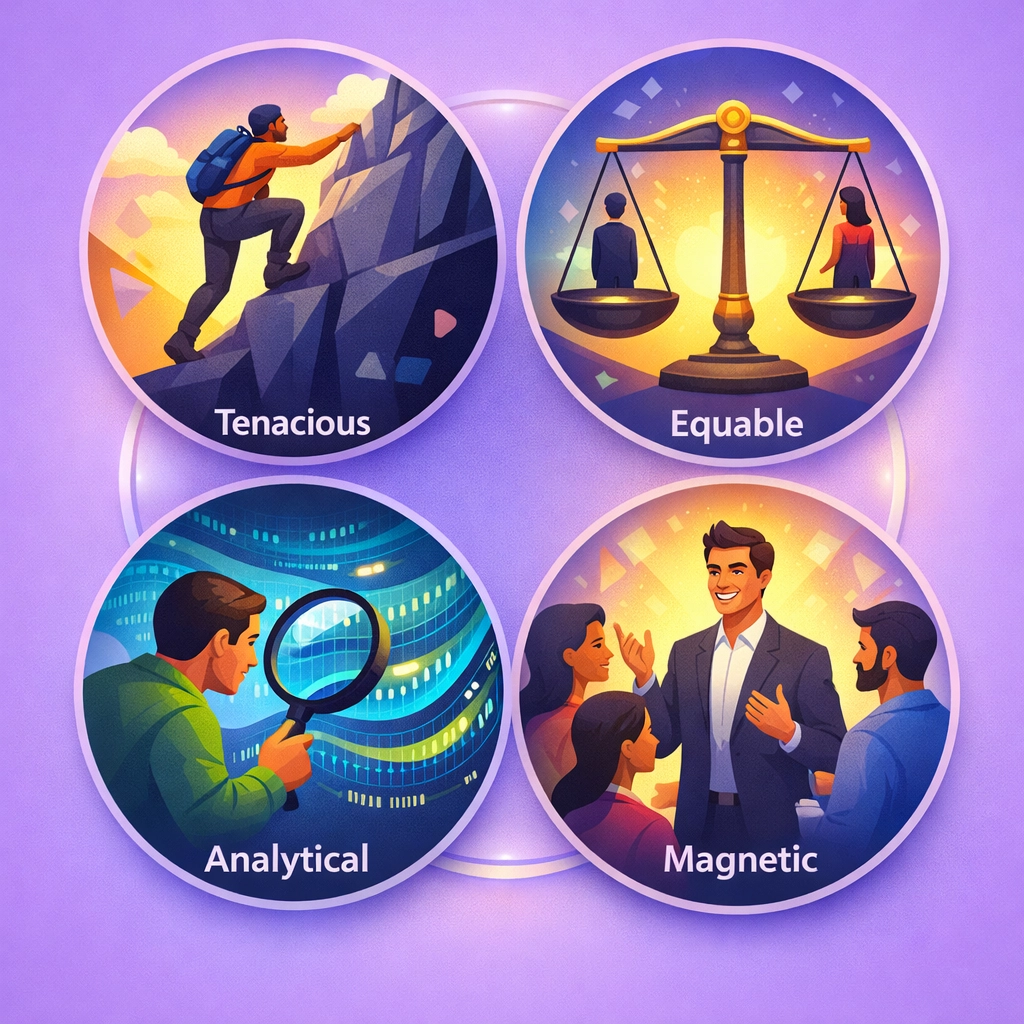
If you’ve read my book, T.E.A.M.: The IT Project Manager’s Secret Decoder, you know I’m a firm believer in building project teams that are Tenacious, Equable, Analytical, and Magnetic. These aren’t just nice-to-have qualities: they’re the foundation of relational excellence in project management.
Let’s break down how AI enhances each element:
Tenacious : AI-powered tools can help us identify obstacles earlier and suggest alternative paths forward. But tenacity isn’t about the tool: it’s about the PM who uses that data to fight for their team’s success, even when the path gets rocky. AI gives us the ammunition; we provide the determination.
Equable : This is where AI really shines as a support tool. Sentiment analysis in team communications can alert us when morale might be dipping. Workload distribution algorithms can help us spot when someone’s plate is too full. But creating a balanced, fair team environment? That’s still on us. We use the insights; we make the human decisions.
Analytical : Here’s where AI and PMs are natural partners. AI can process massive amounts of project data and surface patterns we’d never spot manually. But analysis isn’t just about the numbers: it’s about understanding the story behind them. Why did velocity drop last sprint? The AI might tell you when, but you need to talk to your team to understand why.
Magnetic : You can’t AI your way into being the kind of leader people want to follow. Magnetic leadership comes from authenticity, from showing up consistently for your team, from celebrating wins and owning failures together. AI can help you understand what motivates each team member, but building that magnetic culture? That’s all you.
Practical AI Integration for the People-First PM
So how do we actually use AI without losing the relational core of what makes us effective? Here are some strategies I’ve been implementing:
1. Morning Data Digest, Human Action Plan
I start my day with an AI-generated summary of what happened overnight: ticket updates, blocked items, communication flags. This takes about five minutes instead of the thirty I used to spend. That extra twenty-five minutes? I use it to send personalized check-ins to team members who might need support.
2. Predictive Insights, Proactive Conversations
When my AI tools flag a potential risk: maybe a developer is consistently missing estimates or a dependency is looking shaky: I don’t just add it to a risk register. I schedule a coffee chat (virtual or real) to understand what’s really going on. The AI provides the early warning; I provide the safe space for honest conversation.
3. Automated Admin, Amplified Coaching
Status reports, meeting notes, action item tracking: AI handles the administrative heavy lifting. This frees me up to do what I love most: coaching my team members to grow in their roles. I’m spending less time on documentation and more time on development conversations.
4. Data-Driven Empathy
This might sound like an oxymoron, but hear me out. AI can help identify patterns in team behavior and communication that indicate stress, confusion, or disengagement. But the response to those insights must be deeply human. Use the data to inform your empathy, not replace it.

The Augmented PM Mindset
Here’s what I’ve learned: being an “augmented PM” doesn’t mean becoming a cyborg project manager. It means strategically using AI to handle the tasks that don’t require human judgment, so we can double down on the things that do.
Think about it this way: would you rather spend your afternoon manually updating a dozen spreadsheets, or using that time to mentor a junior PM who’s struggling with stakeholder management? Would you rather write the same status email for the fifteenth time, or have a real conversation with your sponsor about the strategic direction of the project?
The choice seems obvious when you put it like that, doesn’t it?
Building Your Augmented PMO
If you’re running a Project Management Office or leading a team of PMs, here’s my advice: invest in AI tools that genuinely free up human time and energy. But invest even more in training your PMs to be better coaches, mentors, and relationship builders.
Because here’s the truth that no AI vendor will tell you: the technology is the easy part. Teaching people to use that technology to enhance rather than replace human connection? That’s the real challenge: and the real opportunity.
We need PMs who can read a predictive analytics dashboard and then translate those insights into a conversation that motivates their team. We need leaders who can leverage sentiment analysis and still trust their own gut when something feels off. We need project managers who see AI as a tool in their toolkit, not a replacement for their judgment.

What’s Next?
As we continue to explore the augmented PM concept in future volumes of PROJECT PULSE, we’ll dig deeper into specific AI tools and techniques. But I wanted to start here: with the foundation: because if we lose sight of the relational core of project management, all the AI in the world won’t save our projects.
The future of IT project management isn’t about choosing between people and technology. It’s about using technology to create more space for the people work that matters most. It’s about evolving our relational excellence, not abandoning it.
And honestly? I’m excited about it. Because if we do this right, we’re not just making projects more efficient: we’re making them more human.
Want to dive deeper into building relational excellence in your IT projects? Check out our T.E.A.M. Methodology resources or grab a copy of T.E.A.M.: The IT Project Manager’s Secret Decoder. And if you’re navigating the intersection of AI and project management in your organization, let’s talk: I’d love to hear what’s working (and what’s not) in your world.
Here’s the image link for you to set up as the Featured Image: